Word From the Adalimumab Front: A Conversation With Molly Burich, MS, Boehringer Ingelheim: Part 1

In the first portion of a two-part interview with Molly Burich, MS, Director, Public Policy: Biosimilars and Pipeline, Boehringer Ingelheim, we cover the challenges of driving biosimilar uptake, as well as the unique situation that has focused this manufacturer’s attention on biosimilars and interchangeability. 

BR&R: The viability of the US biosimilar industry is being challenged if companies cannot rely on revenue from switching, especially for the autoimmune category.

Molly Burich, Boehringer Ingelheim
Molly Burich, MS

Molly Burich: Yes, biosimilar uptake is certainly going to be dependent on switching. But switching comes in a few different types. One case involves patients who are going to be switched to a therapy with a different mechanism of action. Perhaps their existing therapy no longer works (or didn’t work in the first place).

Another case is medication substitution by the physician. The doctor drives that decision to switch the patient either to a biosimilar or to an interchangeable.

Lastly is automatic substitution, which will come as a result of interchangeability and enabled by state laws. However, that is only in play once a product gains the interchangeability designation.

All of those are important components, but certainly switching overall is an important part of the market viability.

BR&R: When we’re talking about automatic switching, multiple stakeholders are involved, including the prescribers, pharmacies, payers, patients. And none of it matters if we don’t have an interchangeable product or even final guidelines from the FDA on interchangeability. In retrospect, should we have made automatic switching for biosimilars based on something other than interchangeability?

Burich: There are a lot of stakeholders involved and this is. why multiple ways of switching will likely occur. In terms of switching, interchangeability allows pharmacists to switch one reference product prescription for an interchangeable one without intervention of the physician at the front end—pending state laws of course. The physician must be notified of the change.

In our opinion though, automatic switching is certainly not the only way to drive uptake of biosimilars. We believe physician-driven switching and payer-drive substitution via formulary decision-making are very important to drive the uptake of biosimilars.

BOEHRINGER INGELHEIM’S SINGULAR PRODUCT FOCUS

BR&R: Biosimilar utilization, and the overall market, has been growing slowly since the first biosimilar approval. Prospective biosimilar manufacturers have tended to jump into the market with both feet, filling their pipelines with multiple biosimilar agents. Boehringer Ingelheim may be the only major manufacturer with a single biosimilar listed on its pipeline web page. Is the company in a wait-and-see mode, to see if the industry will survive? Or is Boehringer making further investments in biosimilar development behind the scenes?

Burich: We are constantly in an evaluation process of our portfolio. Obviously, we are focused on our approved biosimilar Cyltezo® (adalimumab-adbm) and also on interchangeability, here in the U.S. That is our focus area. We believe that the introduction of biosimilars will improve the lives of patients, as well as contribute to the quality and economic sustainability of healthcare systems.

INTERCHANGEABILITY: MISUNDERSTOOD BUT NO SILVER BULLET

BR&R: The issues around interchangeability are particularly frustrating. At the time the BPCIA was written, was the concept of interchangeability (which does not exist in EMA regulations) an attempt to give prescribers and consumers a warm and fuzzy feeling of an AB-rated generic?

Burich: It’s an important question. As you said, when the BPCIA was written, interchangeability was viewed as a sort of silver bullet. The reality is that interchangeability is an important concept, but perhaps it makes more sense for only certain products. As we gain experience in the biosimilar market, we’re starting to see this.

We believe in the concept of interchangeability and in what the FDA has put forth about interchangeability. We do think there are questions about how an interchangeable product may be perceived compared with one that is not interchangeable. In our comments to the FDA, we encouraged the FDA to come out with educational materials that are geared toward talking about interchangeability, and talking about switching. These are all important questions and need to be addressed for the broad stakeholder community. The FDA is obviously best positioned to bring that type of education in the next round of materials they develop.

BR&R: We’ve heard a great deal about people mischaracterizing interchangeable products as being superior to biosimilars (for the same reference product). Why is this differentiation so important?

Burich: This issue speaks to education. All people engaging in the biosimilar space must realize that the designation of interchangeability does not mean it’s a higher-quality, safer, or more-efficacious product. It means that the manufacturer has conducted additional studies required by the FDA to enable that automatic substitution at the pharmacy level.

The FDA has issued clarifying pieces of information and education on their website about this, but there is room for more. The reality is that when a drug is approved as a biosimilar, it has attained the foundational designation proving that the drug is highly similar to the reference biologic, without any clinically meaningful differences. On the other hand, gaining the interchangeability designation is about conducting trials of multiple switches within the patient and expecting the same results in any given to patient. Those are two different distinctions. It proves something different, allowing for automatic substitution to occur.

In part two and the conclusion of this interview, which will be published in a separate post, Molly Burich speaks to Boehringer Ingelheim’s progress in Cytelzo’s interchangeability studies, its plans for the product in Europe in the face of several adalimumab biosimilars launches in the EU, and also the complexity inherent in CMS’s plans to move biologic agents from part B to part D coverage. 

Biosimilar Step Therapy for Medicare Part B: Does This Make Sense?

The Centers for Medicare and Medicaid Services (CMS) has decided drugs covered under Medicare part B may be subject to step therapy, if so desired by Medicare Advantage plans. UnitedHealthcare has become the first to publicly implement step therapy policies for these drugs. However, biosimilar step therapy is not the typical utilization management tool that industry executives are used to seeing.

biosimilar step therapyTraditional step therapy or step edits for prior authorization policies are typically used to require the use of an effective, low-cost drug class before trying a more-expensive treatment. For example, a plan might have a step in place before a patient can receive Humira®, such as requiring documented failure on other disease-modifying anti-rheumatic drugs, like azathioprine or methotrexate. This makes very good sense when supported by practice guidelines or treatment pathways, based on solid supportive evidence.

For biosimilar manufacturers, the perspective on the revised CMS policy, seems to imply trying the biosimilar before receiving the branded originator product. This biosimilar step therapy would make very little sense. A doctor would not be practicing evidence-based medicine if he or she prescribed Remicade® to a patient after failure of Renflexis®. There is no evidence to show that the biosimilar will work in a patient who did not receive adequate clinical benefit from the reference product (and vice versa). Similarly, there is no information to show that a patient who has an adverse effect while taking Remicade will not have that adverse effect after injecting with Renflexis (or vice versa). In other words, after failing one, a new mechanism of action should be tried, not a product with a very similar structure. This may be a different argument, if a subcutaneous form of infliximab was introduced, and this might be reason to step the infusible form through this drug.

In United’s announcement, they are clearly seeking to increase biosimilar utilization, as designated preferred part B agents, at the expense of Remicade use, the nonpreferred agent. Therefore, it may make more sense that new patients will have to use a biosimilar before being prescribed the reference product. Step therapy in this case is almost an aside.

Ironically, the Department of Health and Human Services has also expressed its desire to move part B agents like self-administered injectables to part D. This may not apply to infliximab, as it is given as an in-office infusion. Should this be the case, plans will have many pharmacy tools at their disposal beyond biosimilar step therapy.

In other biosimilar news…Fresenius Kabi has signed an agreement with Abbvie to delay its adalimumab biosimilar market entry in the US until 2023. The manufacturer is currently trying to secure European approval for the product. A 351(k) application has not yet been filed by Fresenius in the US.

Pfizer’s Anticompetitive Suit: A Slippery Slope to Competitive Bidding?

When Pfizer first announced its lawsuit against Janssen’s parent Johnson & Johnson in September 2017, it pointed to exclusionary contracting, “anticompetitive” behavior of Remicade®’s maker as the reason for its very limited market access.

The lawsuit claimed that Janssen has withheld or threatened to withhold rebates if payers do not keep Remicade in an exclusive preferred position. The degree to which health plans knuckled under to these demands may only be inferred from the 3% marketshare Pfizer’s Inflectra® now holds. For these drugs, which are still typically covered under the medical benefit, “nonpreferred positioning” usually means no coverage. For drugs covered under the pharmacy benefit, this is not the case.

In August, the Eastern Court of Pennsylvania ruled against J&J in its request that the lawsuit be dismissed. While discovery in the case may be ongoing, we could not find mention of a resolution date for the suit.exclusionary contracting

For the sake of argument, let’s say that the Eastern Court of Pennsylvania rules in favor of Janssen. In other words, exclusionary contracting was not an anticompetitive behavior. That means the status quo is intact, but some factors may affect this situation going forward. These include the Center for Medicare and Medicaid Services’ desire to move part B drugs (the medical benefit) to part D (the pharmacy benefit) for Medicare beneficiaries.

The scrutiny on rebate contracting coming from several sectors, and lack of transparency, may also independently influence future use of these pharmaceutical company tactics. I helped conduct a market research project recently on a nonspecialty drug. As part of these interviews, we were asked by the client to inquire about the range of rebates they were receiving from competitor manufacturers. Their responses were requested as a range (e.g., 20% to 30%), not specific contract details, and we had no intention of providing reports of individual payer deals, only anonymous, aggregate information. We expected little to no response to that query, and that is exclusionary contractingexactly what we received.

Let’s discuss the other potential outcome, in which the Court rules in favor of Pfizer. That implies that this exclusionary contracting practice is indeed anticompetitive. If this is the case, we may be on a very slippery slope. What is the difference between payers and pharma companies engaging in a “1 of 1” contract when there are multiple potential products and a “1 of 2” contract? In both cases, drug makers are committing payers to anticompetitive behavior (as perhaps defined by the Court’s new precedent).

The preferred drug tier (whether preferred generics, preferred brands or whatever) is supposed to be for products with proven clinical, patient care, or economic advantages. Truthfully, payers rarely place medications in the preferred tier for reasons other than net costs or rebate contracting, which is based on marketshare.

Now add in the potential effects of the Administration’s desired shift to part D, where pharmacy benefit rules can be applied. That exposes injectable products that were shielded under Medicare part B to commonly applied formulary placement practices.

To be complete, Janssen’s strategy was not solely based on Remicade. It may be found to have bundled Remicade with other agents in deals to exclude Pfizer’s products. The Court may also react specifically to Janssen’s contract stipulation that threatens to withhold rebates connected to future use of the product, to increase its leverage.

However, if the Court determines that 1 of 1 or exclusionary contracting with rebates are the root of the anticompetitive behavior, why should 1 of 2 or even 1 of 3 contracts in a drug category with 5 similar agents be less so? This is the slippery slope that could undo rebate contracting, and push us towards a system that more resembles a competitive bidding process like in Europe. Alternatively, it could accelerate the move towards outcomes- and value-based contracting. The result could be a system-wide revamping of the drug formulary and the pharmacy–drug maker relationship.

In other biosimilar news…Sandoz has signed a licensing agreement with Abbvie, allowing it to market its biosimilar version of Humira in 2023. The agreement, as with Abbvie’s settlements with other biosimilar makers, halts all patent litigation with Sandoz in exchange for a licensing royalty paid to Abbvie.

Up to 5 Biosimilar Horses in the Race for Adalimumab in Europe: Heading for the Starting Gate

A long-sought dream in the United States will be a welcome reality in Europe this October: a stampede for Abbvie’s marketshare with adalimumab biosimilars and the savings that go with it.

Four or possibly five manufacturers will be lined up in the starting gate. Fujifilm Kyowa Kirin Biologics and its marketing partner Mylan have not yet received approval from the European Medicines Agency (EMA), but they do have a positive opinion from the Committee on Human Medicinal Products. They expect to hear a final decision from the EMA by October and hope to market it that same month, joining the other adalimumab biosimilar drugmakers.

Those who already have approval to race include:

Manufacturer/Marketing  Partner

Molecule Designation

Brand Name

Samsung Bioepis/Merck
SB5
Imraldi
Boehringer Ingelheim
BI 695501
Cyltezo
Amgen
ABP 501
Amgevita
Sandoz
GP2017
Hyrimoz
Adapted from: http://www.gabionline.net/Biosimilars/General/Biosimilars-of-adalimumab.

Several other manufacturers are also in the running, but will be late entries. They have completed phase III studies but their biosimilar adalimumab applications are not yet filed: Coherus, Pfizer, Fresenius, and Momenta.

adalimumab biosimilarsOn October 16, Abbvie’s Humira® patent expires and the starting gate should open. We’ve not seen anything similar in the US biosimilar market. Even when Abbvie’s patents expire in 2022 and agreements go into effect, this will be more of a staggered start, with Amgen having first crack at the market in January 2023 followed by Samsung Bioepis in June of that year. That is, unless another biosimilar manufacturer refuses to sign a licensing agreement with Abbvie and launches at risk earlier.

In any case, the savings seen in the EU should be immediate and if competition is not hindered, adalimumab biosimilar prices will be slashed. It will be interesting to see how this situation plays out, with one of the world’s biologic sales leaders.

It will certainly leave American payers dreaming about what could be, but will not be, for several years at least.

Let’s not Knock Innovation, but Biosimilars Exist for the Sake of Competition

A recent Twitter conversation between a blogging colleague of mine and a German advocate of precision medicine propelled this post: What is the real benefit of biosimilars? Does biosimilar development detract from efforts to produce innovative medicines? Is the main societal benefit biosimilar cost savings?

biosimilar cost savings

Biosimilar Development Is Separate From Innovation Development

The main reason that the Biologics and Biosimilars Price Competition and Innovation Act (BPCIA) was signed into legislation was related to cost containment. For biologics, there was no pathway for the evaluation and approval for lower-cost copies in the US health system, akin to the generic-brand name dynamic for conventional drugs. Adding competition has been the first and only point. The specialty drug trend had been rising rapidly, and the long-term estimates were frightening: Costs associated with specialty drugs like biologics threaten to eat 48% of the total drug spending pie in the United States by 2020.

Two factors were responsible. The first, increasing specialty drug utilization, has been especially difficult to address. The pipeline is congested with biologics. Medical societies are increasingly incorporating biologics into their guidelines and clinical pathways. Prescribers have grown more comfortable with these agents, and payers have limited tools at their disposal to put the brakes on their use.

The second, price increases, are well known and publicized. Without competition, drug companies tend to test what the market will bear, and to this point, they have borne quite a bit. Unlike in Europe, where the tender system of pharmaceutical purchasing has resulted in better cost containment, the US payers have been accustomed to stomaching large price increases through increased use of rebate contracts with price guarantees. But the overall costs continue to rise, as contracts expire and new ones are drawn up. Thus, the list prices for drugs like Enbrel® and Humira® have skyrocketed, with Humira’s more than doubling in a few years.

There is no evidence to say that biosimilar manufacturers would have engaged in the development of innovative new agents had they not devoted resources to this area. Indeed, pure-play biosimilar makers, like Coherus or Adello, were only introduced to produce biosimilars. Other makers, such as Samsung Bioepis, are joint ventures of existing manufacturers to do the same. Biogen recently raised its stake in Samsung Bioepis to nearly 50% of the company’s shares. This could be construed as a case of an originator company pouring $700 million into a biosimilar manufacturer, which could be using that money directly for other purposes. Finally, firms like Apotex, Mylan, Sandoz, and Hospira (now part of Pfizer) are heavily involved in generic drug manufacturing. Biosimilar development was a natural extension for them. Even big pharma players, such as Amgen, Merck, and Pfizer, are more commonly engaged in biosimilar marketing partnerships rather than purely R&D efforts (e.g., Amgen/Allergan, Merck/Samsung Bioepis, Pfizer/Celltrion).

One can also make an argument that pharmaceutical innovation is more evident at the drug discovery level. These days, big pharma seems less interested in pursuing drug discovery than in purchasing it.

The Societal Benefits of Biosimilars

The EMA and FDA biosimilar pathways were created to introduce competition that would lower drug costs. This in turn would make innovative biologic therapy available to more patients. Biosimilar cost savings could drive greater access to important drug technologies.

With the EU’s longer and more extensive experience with biosimilar medications, costs have indeed been saved. Although this has varied by country, it is undeniable.

In the US, with very limited economic experience with biosimilars (filgrastim and infliximab), savings figures are more theoretical than real. Although the infusion of a biosimilar into the new market may reduce wholesale acquisition price of the reference drug a bit, it will have a greater effect on net pricing, after rebates. And, of more immediate importance, the new biosimilar has the potential to halt further price increases for the originator product. This aspect of biosimilars cost savings cannot be overemphasized. Between the first adalimumab biosimilar approval and the initial availability of these products in 2023, the list price of Humira can increase upwards of 40% (or more, if Abbvie veers from its pledge to limit price increases). The initial price of the first adalimumab biosimilar will thus be much higher than if it was launched last year. On the other hand, adalimumab biosimilars will launch in the EU in October of this year, which should effectively lower cost products and limit their EU members’ exposure to future Humira price increases.

Biosimilar cost savings can have real benefits in terms of improved access. Payers’ incentives to use biosimilars (if they are motivated to implement them) can result in lower patient cost sharing. For example, a fourth-tier biologic may be subject to a 20% cost share, whereas a third-tier biosimilar may carry a flat copay of $100. This can make a difference in terms of therapeutic choices available to patients.

In conclusion, the German correspondent is only partly right. Biosimilars are not innovative. They are highly complex, cost-control medications. Do they detract the focus of manufacturers from new innovative products? There’s no evidence of this. However, we are beginning to see limited evidence in the US of the societal benefits, namely cost savings, they can bring.

An FDA Filing for Momenta’s Adalimumab Biosimilar Coming Soon?

Momenta seems to be in final preparations for its first 351(k) filing to the Food and Drug Administration (FDA). In its recent investor conference, the company disclosed that it is ready to send M923, its adalimumab biosimilar, to the agency for approval.

Momenta's Adalimumab Biosimilar
Craig Wheeler, CEO of Momenta Pharmaceuticals

Despite this promising news, Momenta is facing strong headwinds. Even if it gains approval, Momenta expects that the US launch of the adalimumab biosimilar will not occur until 2023, owing to pending patent issues with Abbvie’s Humira®. The company does not yet have a marketing partner for this agent, though there appears to be plenty of time.

In addition, Momenta received a setback in November 2017 on another looming biosimilar candidate, when its biosimilar version of abatacept failed its phase 1 trial. Apparently, its M834 produced pharmacokinetic results that differed from the originator Orencia® in this early clinical study. Momenta is still studying the data and trying to come to grips with the surprising findings.

The company is also set to begin “pivotal” clinical trials on its other drug candidate M710, a biosimilar to aflibercept. The originator product is Eylea®, and it is indicated to treat wet age-related macular degeneration.

Momenta’s partnership with Mylan is moving forward with preclinical work on four other nonspecified biosimilars, according to the company. But all of this development costs money, and Momenta has acknowledged that it may need to raise cash for future development.

Momenta received approval in January for a generic form of the multiple sclerosis drug Copaxone® (glatiramer acetate). The approval of this agent, produced in partnership with Sandoz, had been delayed because of manufacturing issues. The company recognizes that the entry of Mylan (ironically) into this market may hinder its financial outlook.

As a result of these developments, Momenta stated it would entertain a sale of its adalimumab biosimilar “or other assets.”


The Patent Games: Another Sequel Underway

Roche/Genentech has filed suit in Delaware, citing the alleged violation of 37 patents by Amgen in its intent to market its biosimilar version of Herceptin®.  

The litigation was filed in response to Amgen’s stated intention of launching their product in October 2018, based on a May approval. Unfortunately, the Food and Drug Administration decided not to approve Amgen and Allergan’s initial 351(k) application in early June.

Roche has been engaged with Pfizer and the team of Celltrion and Teva on their trastuzumab biosimilars as well.

Fujifilm Gains Further Exposure in Biosimilar Partnerships

The biosimilar industry continues to make strange bedfellows. In July 2016, I reported in the Center for Biosimilars that a subsidiary of the Japanese camera maker, Fujifilm, had jumped into the biosimilar field. The Indian pharmaceutical company Biocon announced that it has launched its new insulin glargine biosimilar in Japan. Fujifilm Pharma Co, Ltd was named as the partner in this endeavor to commercialize the product in Japan.

Fujifilm Pharma is a producer of diagnostic and therapeutic radiopharmaceuticals, in addition to contrast media. This makes sense, as the parent is in the imaging business. Medical imaging can be a very natural extension of this activity. But biosimilars?

To reaffirm its strategy, Fujifilm announced a new partnership.  Its Fujifilm Kyowa Kirin Biologics subsidiary will manufacture a adalimumab biosimilar in the EU (filed for approval in the EU only) and will be commercialized by Mylan if approved. There is no information about whether Fujifilm will seek authorization to market this biosimilar in the US down the road.

Fujifilm Kyowa Kirin AstraZenecaTo further its chances of commercializing this biosimilar in the EU, Fujifilm Kyowa Kirin Biologics joined a lawsuit in April 2017 with Samsung Bioepis and its partner Biogen. The lawsuit, filed in the UK, sought to invalidate Abbvie’s two remaining adalimumab patents, and the UK court ruled in favor of the plaintiffs, opening the door to marketing next year in Europe. Fujifilm also has a bevacizumab biosimilar (FKB 238) in phase 3 clinical investigation.

The parent company has over 200 subsidiaries, and it can be complicated to track which ones are directly involved. For example, another Fujifilm company, Fujifilm Diosynth, does contract manufacturing of biologics. Yet, the phase 3 trial being carried out on FKB238 is sponsored by Centus Biotherapeutics Limited, which is a joint venture between Astra Zeneca and Fujifilm Kyowa Kirin Biologics. Centus seems to be involved only with the bevacizumab biosimilar, not with the adalimumab agent. Despite this web of intrigue, Fujifilm is not likely to be overexposed in the biosimilar marketplace. It is also unknown whether their efforts will be affected by the recent difficulties of its partners Biocon and Mylan with getting its pegfilgrastim biosimilar approved. It has been reported that Biocon will also benefit from this latest Mylan collaboration.

With the Samsung Bioepis Deal, Abbvie Tightening Its Grip on the US Adalimumab Market

Samsung Bioepis and Biogen has reached a deal with Abbvie that would enable it to market its biosimilar adalimumab (should it be granted approval) in June 2023. This is the second deal Abbvie has made with a potential competitor, confirming the solidity of its patent wall. The European patent expires in October 2018, and competitors will be able to sell biosimilars over the pond unhindered at that time.

However, without competition, most expect unencumbered price increases until a US biosimilar introduction. In other words, biosimilars will not make an appreciable impact on the cost of adalimumab in the US market, unless another biosimilar manufacturer decides to launch at risk in the near future.

A Deal Prior to FDA Approval

The agent, SB5 has not yet been filed for approval in the US. Samsung filed its application for approval in the EU in July 2016 and was authorized by the European Medical Agency in August 2017. Biogen will market the agent for Samsung, whenever it is launched.

Amgen inked a deal with Abbvie in September 2017, effectively ending its patent battle. This deal gives Amgen a jump on other competitors that reach settlements with Abbvie, by allowing a launch in January 2023. In addition, other manufacturers are working on adalimumab biosimilars, including Coherus and Sandoz. The biggest question though is Boehringer Ingelheim’s move, as they have the only other FDA-approved adalimumab biosimilar approved on the marketplace (but also unlaunched). Boehringer responded to our request but declined to comment on its plans mAbbvie produces Humira (adalimumab)oving forward with the product, including a targeted launch date.

Without Competition, Expect 45% Jump in WAC Price 

As addressed earlier in this space, the time to effective competition for a US biosimilar adalimumab is crucial. Abbvie’s annual global revenue on the product may reach as much as $21 billion, with the last price increase registered in January, at 9.7%. Assuming Abbvie sticks to its pledge of no more than one

10% price increase per year, that would result in a wholesale acquisition cost (WAC) of more than $52,000 at the close of 2022, or a 45% jump from today’s WAC. This figure does not reflect individual negotiated rates (including rebates) that health plans and insurers actually pay. Yet, it does roughly indicate what type of discount will be necessary when biosimilars reach the market to simply attain the cost paid in 2018—that is, no more savings. Without competition before 2023, this may be the one area where payers pray for a rapid and bracing race to the bottom on price once 2023 rolls around. With Abbvie’s hand continuing on the tiller, don’t plan on it.

In other biosimilar news…Celltrion acknowledged that it is seeking to rectify the manufacturing plant issues that torpedoed its FDA approval of biosimilars for trastuzumab and rituximab. In the statement, it noted, “Celltrion is confident that the issues raised by the FDA will be resolved in a timely manner.

We can confirm that the resubmission will be in-place relatively soon. Then, we are expecting approvals in 6 months after resubmission according to regulatory timeline.”

More Clinical Study Evidence That Biosimilar Switching Carries a Low Risk

A literature review published this past weekend in Drugs reaffirms what most parties interested in biosimilars suspect—that switching from a reference product to biosimilar is not a significant clinical concern. Biosimilar switching was not generally associated with poorer outcomes.

The study evaluated the results of 90 clinical studies comprising more than 14,000 patients with 14 diseases or conditions. The authors from Novartis (and its Sandoz subsidiary), the Oregon Medical Research Center, Rocky Mountain Cancer Centers, IBD Center of Humanitas Clinical and Research Hospital (Milan), and Avalere Health stated that “the great majority of the publications did not report differences in immunogenicity, safety, or efficacy [as a result of biosimilar switching]. The nature and intensity of safety signals reported after switching from reference medicines to biosimilars were the same as those already known from continued use of the reference medicines alone.” In addition, they reported, “Three large multiple switch studies with different biosimilars did not show differences in efficacy or safety after multiple switches between reference medicine and biosimilar.”

In this evaluation, the biosimilars tested included those for infliximab, epoetin, filgrastim, growth hormone (which has not been considered a biosimilar in the Ubiosimilar switchingS), etanercept, and adalimumab. Infliximab was the subject of the majority of the clinical studies.
Of the 90 studies, two were outliers, suggesting potential safety issues associated with biosimilar switching. One was described as a 2016 retrospective study of a claims database from Turkey, which found a much higher discontinuation rate with the infliximab biosimilar compared with originator product in patients with rheumatoid arthritis.

The authors correctly note that the vast majority of the studies reviewed involved a single biosimilar switch, and that multiple switches may result in additional safety signals. However, they also point out that “patients have already been exposed to de facto multiple switches for many originator biologics when product quality attributes changed after one or more manufacturing process modifications were introduced.”

The question arises as to whether multiple switch studies are truly necessary outside of the requirement to prove interchangeability between a biosimilar and a reference product. There is a practical reason for doing so—the possibility (actually, the likelihood) of a patient enrolling in a new health plan one year, which covers the biosimilar but not the reference product. If the patient’s health plan changes once again one or two years later, that person may well be required to switch back to the reference product or yet another biosimilar.

This will heighten the importance of collecting real-world evidence and accumulating more experience outside of the clinical trial environment in terms of switching. Efforts such as those at the Biologics and Biosimilars Collective Intelligence Consortium should fill this gap over the next several years.


What Will Cost Savings on 2023 Adalimumab Biosimilars Really Be Worth?

AbbVie executives are sticking to their pledge to restrict annual price increases on Humira® below 10%, but even payer price protections won’t mitigate the increasing expenditures before adalimumab biosimilars hit the market. In 2023, when adalimumab biosimilars become available, the savings biosimilars represent may not be real savings at all.

Pharmaceutical companies generally seek to lock in preferred coverage status for their agents through the use of rebates, which lowers the net costs. Typical in these contracts is a price guarantee, which shields the payer from annual (or more frequent) price increases for the duration of the contract. The contract life is one or two years, after which the health plan, insurer, health system, or pharmacy benefits manager must renegotiate—that means significantly higher costs for each successive contract renewal.

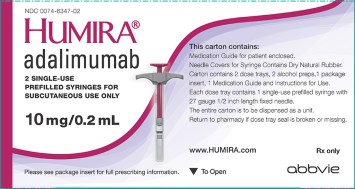
Humira adalimumab

Drug price increases for self-injectable medications like adalimumab, are reported on top of its wholesale acquisition cost (WAC), or the list price. Rebates are applied to WAC pricing. Therefore, if for example, a manufacturer announces 9% price increase to drug X, that applies to the WAC price and does not include consideration of rebates or price guarantees secured by a payer. Rebate information is notoriously difficult to obtain, as payers and pharmaceutical companies consider them proprietary.

However, in a January piece in the New York Times, the author cites research by SSR Health, which concludes that the price of Humira with rebates rose 100% since 2012 to an average of approximately $38,000. Assuming AbbVie executives hold to their price increase pledge, raising their prices by only 6% per year, by 2023 when patent expirations will bring a rash of biosimilars to market, Humira’s price after rebates would have risen 33.8%, to $50,844. If the price is jacked up 9% per year, that would be an increase of 53.9%, to $58,482. This is assuming of course that AbbVie does not increase the rebate at each contract negotiation to offset the higher net cost. To make this dystopian vision complete, let’s not forget that the full savings will not obtained over a population unless all utilization is fully converted to a biosimilar from Humira. That may require an interchangeable biosimilar product (which has not yet been approved) .

As we reported last year, the Institute for Cost-Effectiveness Research established that to meet accepted thresholds for cost-effectiveness, Humira would have to be discounted 55% from its list price. Rises in the cost-effectiveness thresholds (currently $100,000–150,000 per quality-adjusted life-year) would never keep up with this pace of price increases. By 2023, Humira will be even further off the mark in terms of providing value.

The most important point of this, is that the cost savings of the biosimilars that are finally introduced could be an illusion. If a price war in 2023 for newly available adalimumab biosimilars results in 50% discounts, we may have received little but a roll back in costs to those of today. From the perspective of 2018, that’s not savings. That is price stability.

I wrote in 2016 of the same effect for Enbrel®. Because Amgen had taken multiple price increases in the previous years, the WAC cost jumped 37%. And in 2018, no biosimilar is presently marketed for prescription in the United States. The relative discount by Sandoz (presently the sole US company with an approved biosimilar etanercept) needed to actually save payers money for etanercept will not be realistic.